Co-Creation

To transform our environment into a more resilient and inclusive one, we have developed three strategies: Co-Creation, Circular Architecture, and Common Space. Here we present our approach to Co-Creation.
Our Co-Creation strategy builds on cooperation rather than competition. It strengthens democratic and participatory decision-making by bringing together different stakeholders to enable socially just and informed planning.
Through Co-Creation, we explore how architecture and design can become collective acts — open, inclusive, and shared.
Mostlikely is organised as a flexible platform for architecture, design, and research. Work emerges in different constellations — from classically organised teams to interdisciplinary collaborations and open associations.
This structure allows us to develop and test different forms of Co-Creation, each addressing participation in a specific way. We understand Co-Creation as a set of practices that connect design and research with collective experience.
Our aim is to make planning processes transparent, inclusive, and shaped by those who will later use and maintain the space. To achieve this, we work with a range of tools and formats that support collaborative design: the Co-Creation Guideline, our Co-Creation Toolkit, dialogue-based formats such as Salon Margarete, and hands-on methods such as the Sudden Workshop with its seven Principles. Together, these elements form a growing framework for exploring and implementing Co-Creation across different contexts and scales.
Co-Creation Guideline
Our Co-Creation Guideline provides a framework for participatory design and collaboration. It outlines the main steps to transform problems into shared potentials and to create collective ownership in the planning and building process.
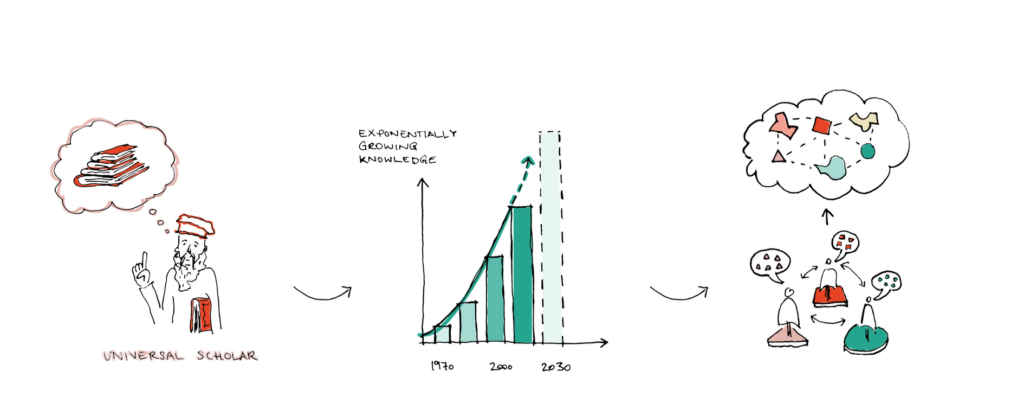
Step 1 – From Problem to Potential
The first step is to move away from the outdated idea of the “all-knowing” generalist and to recognise the value of collective intelligence — many achieve a lot. Competences and responsibilities are shared, creating a creative and open working atmosphere in which different perspectives can contribute to turning problems into potentials.
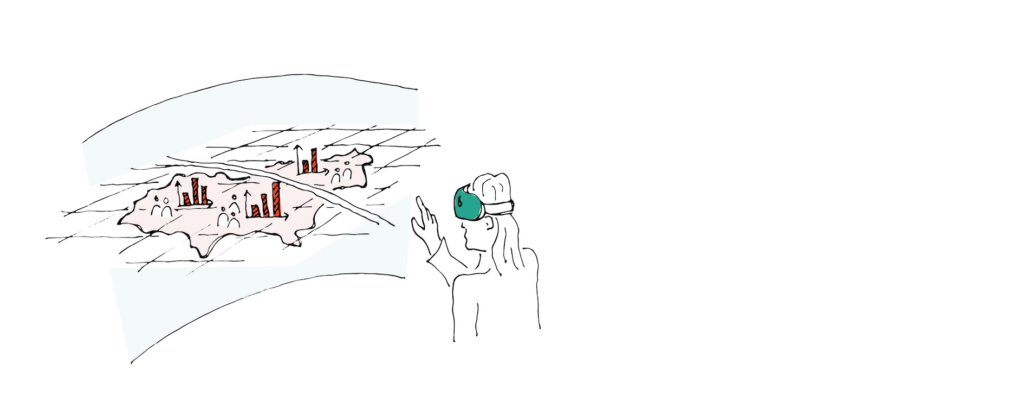
Step 2 – Synergies Create Innovations
By keeping track of local potentials, innovations, and actors, and encouraging collaboration through establishing a local network, we can leverage synergies to foster innovation.
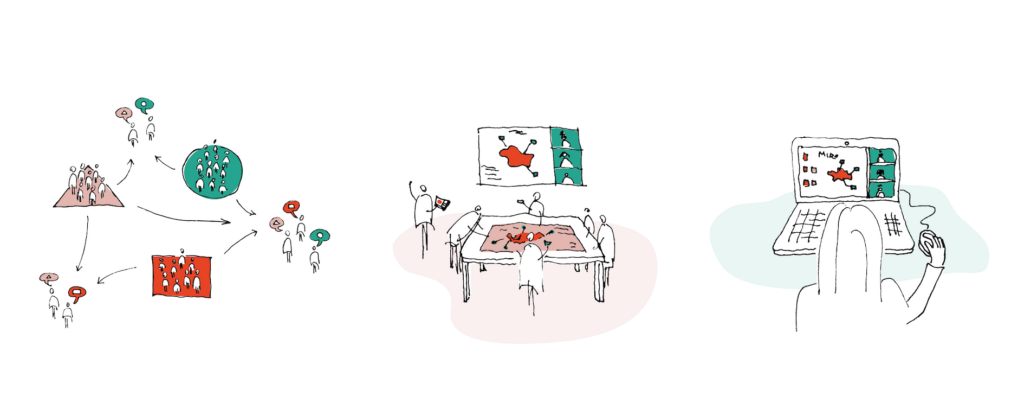
Step 3 – Collaborative Process
Collaborative processes are facilitated by assembling an interdisciplinary team, defining collaboration rules, establishing an open working process and utilizing both digital and analogue tools.
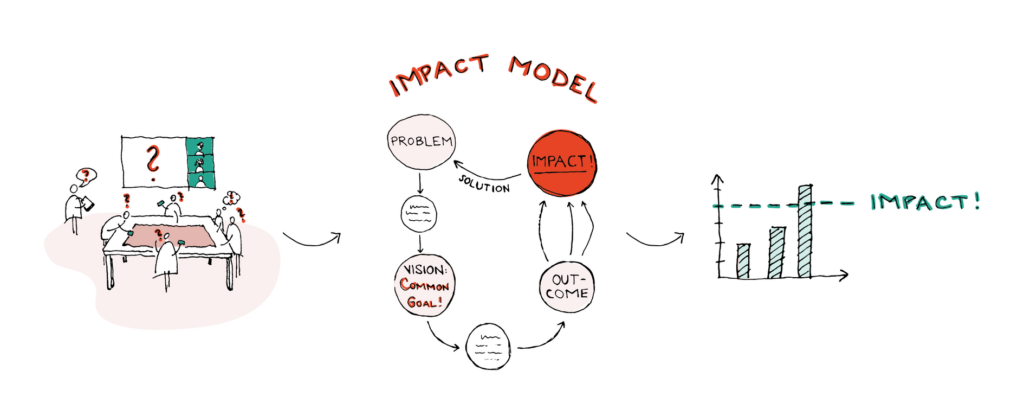
Step 4 – Common Decision-Making
Common decisions are made by shared goals based on impact models. Outcomes can be evaluated by specific impact indicators.
Step 5 – Open Design Formats
Open design formats can be created by ensuring accessibility, actively involving stakeholders, and developing specific working methods.
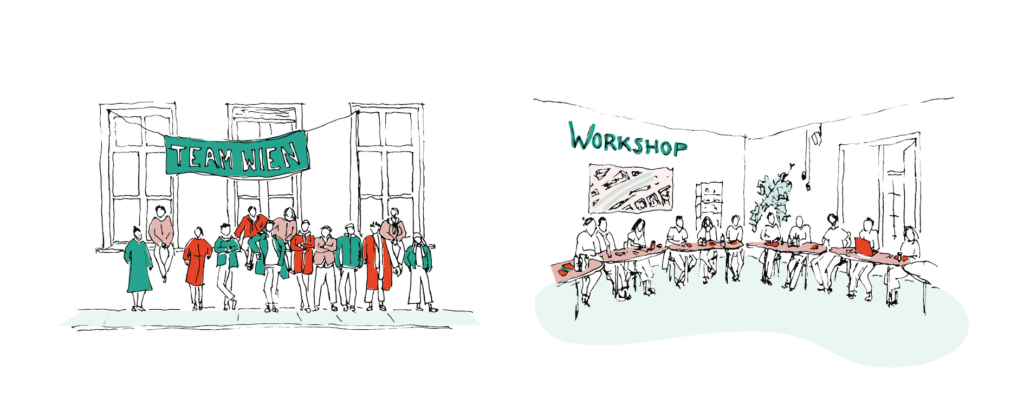
Our Co-Creation mission builds on cooperation rather than competition.It strengthens democratic, participatory processes by bringing together different stakeholders to enable socially just, informed planning through new participation formats.
Co-Creation Toolkit
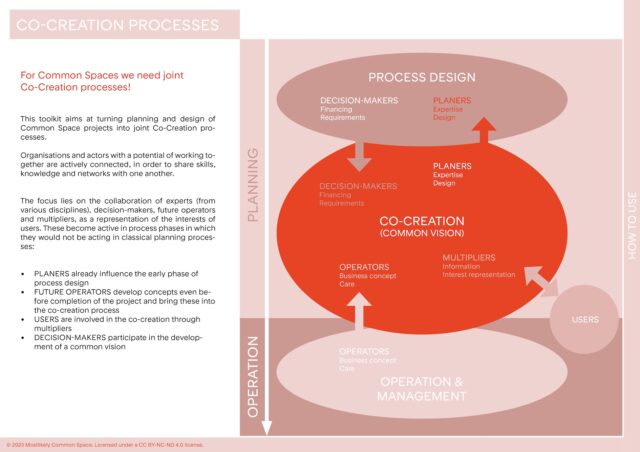
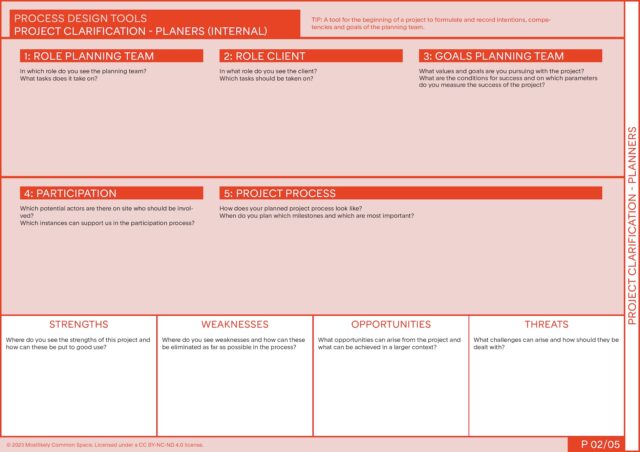
The Co-Creation Toolkit offers practical methods and instruments for shared spatial practice. It helps to structure participatory design processes, clarify roles, and support long-term cooperation. The toolkit acts as a resource for planners, communities, and institutions working on the collective use and management of space. If you want to download the full Co-Creation Toolkit klick here
Salon Margarete
Within the Margarete Schütte-Lihotzky project grant (2022–2023), we explored participatory processes in architecture and urban planning. Based on this research, we initiated Salon Margarete — a series of evening discussions with local actors from Vienna, including architects, planners, NGOs, and city departments.
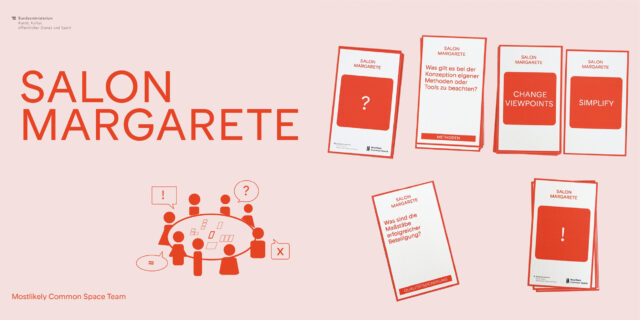
A specially designed card game guided the discussions on process design, methods, and actors. Through this playful exchange, successful strategies, failed process designs, and innovative approaches became visible.
These insights helped us to refine our own practice: we focus less on large-scale participations and more on targeted collaborations with specific stakeholders and multipliers. Our goal is to build open Co-Creation processes that continue beyond planning — enabling communities to operate and manage Common Spaces after their completion.
The results also informed the development of the Common Space Tools, which now support participatory approaches within our own projects.





Sudden Workshop
The Sudden Workshop represents another form of Co-Creation — one that focuses on the act of making together. While other formats emphasise dialogue and reflection, this format enables direct collaboration through hands-on construction.
It is a temporary, mobile workshop for the collective reactivation of public space. Designers and citizens work side by side, discovering the city as a shared resource and transforming it through collective building. The process is simple, open, and based on the joy of doing things together.
Seven Principles
- 2 Board Formats – Only solid wooden boards of 10 cm and 20 cm width.
- 1 Crosscut Saw – One simple tool for all cuts.
- Mobile Workshop – Transportable in one car, visibly set up on site.
- Self-Build – All participants realise a shared idea.
- Many Achieve a Lot – Open, collaborative process.
- Use Instead of Own – Prototypes remain public and non-commercial.
- Shape the City! – Public space as a collective resource.
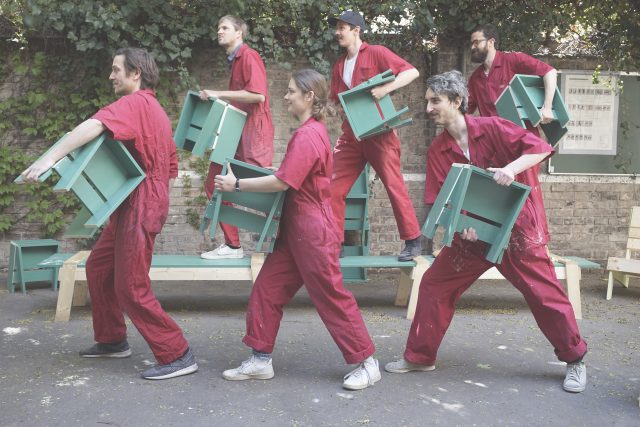
 Image from our Project "Küchenskulptur" for SOHO Ottakring
 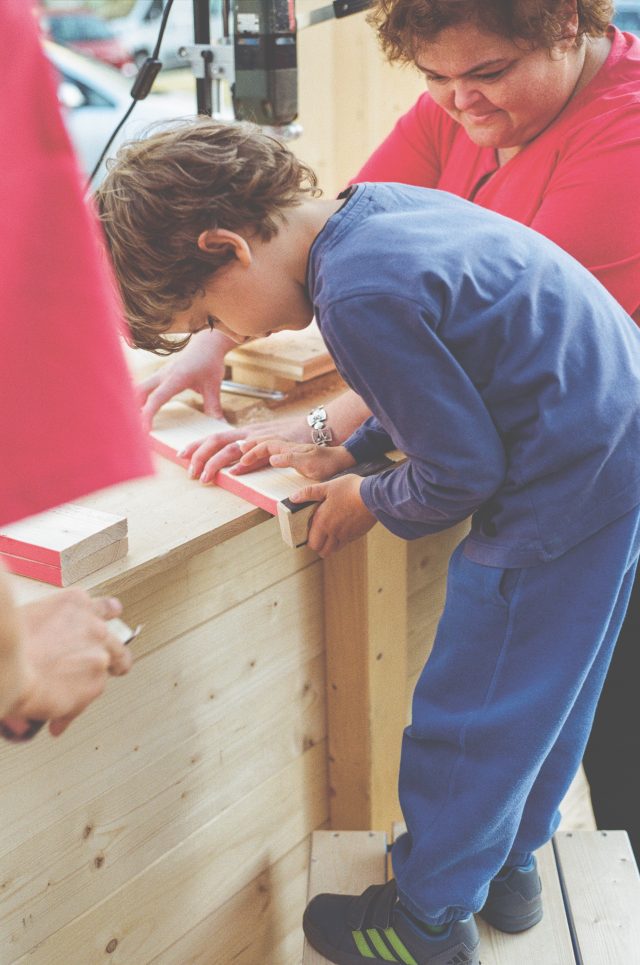 Image from our Project "Park macht Platz" together with Team Wien